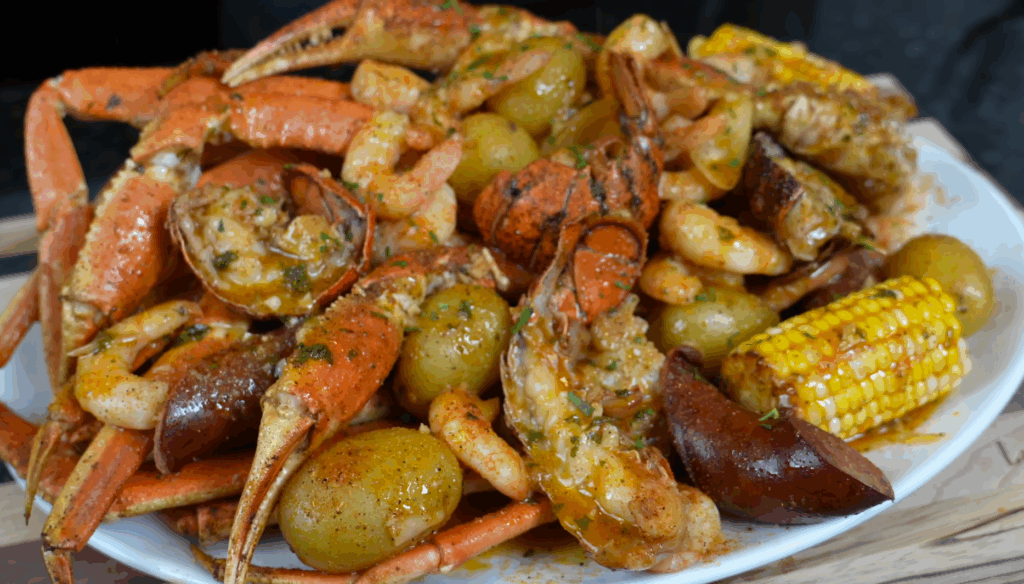
There’s something undeniably special about a restaurant-quality seafood boil – the vibrant colors, the intoxicating aroma of spices, and the sheer joy of diving into a communal feast of succulent shrimp, crab, and savory fixings. While dining out offers a fantastic experience, many believe replicating that magic at home is an elusive dream. We're here to tell you it's not! With the right techniques and a few insider secrets, you can absolutely master a homemade seafood boil that rivals your favorite establishments, often at a fraction of the cost. Get ready to impress your family and friends with a culinary masterpiece that’s bursting with flavor and fun.
The Foundation: Crafting the Perfect Broth and Seasoning
The heart and soul of any exceptional seafood boil lie in its broth. This isn't just plain water; it's a meticulously flavored liquid that infuses every piece of seafood, potato, and corn with an unforgettable taste. Neglecting the broth is the quickest way to a bland boil, so let's unlock the secrets to building a flavor powerhouse.
- Layering Aromatics: Start with a generous amount of aromatics. Think several heads of garlic, halved onions, and sliced lemons. These simmer in the water from the beginning, building a foundational flavor profile. Don't be shy; more is definitely more here.
- The Spice Blend is Key: While many gravitate towards store-bought blends like Old Bay, understanding and enhancing your spice mix is crucial. Beyond Old Bay, incorporate individual spices such as paprika (smoked or sweet for depth), cayenne pepper (adjust to your heat preference), garlic powder, onion powder, and a touch of lemon pepper. For an extra layer of complexity, consider a pinch of celery salt and a bay leaf or two.
- Butter Up: A good amount of butter (or a mix of butter and oil) cooked with your aromatics before adding water can significantly elevate the richness of your broth. This creates a flavorful base that carries the spices beautifully.
- Simmer Time Matters: Allow your seasoned broth to simmer for at least 30-45 minutes before adding any seafood or vegetables. This crucial step allows all the flavors to meld and deepen, ensuring every bite is saturated with goodness.
Pro tip: For an even more intense flavor, toast your dry spices lightly in a dry pan for a minute or two before adding them to the pot. This wakes up their essential oils and deepens their aroma.
Selecting the Stars: Premium Seafood Choices and Preparation
A restaurant-quality homemade seafood boil demands top-notch ingredients. The freshness and variety of your seafood will make all the difference in achieving that coveted taste and texture. Don't compromise on quality here.
Choosing Your Seafood:
- Crab: Snow crab legs, Dungeness, or King crab are popular choices. Look for crab that feels heavy for its size and has intact shells. If using frozen, ensure it's been properly thawed in the refrigerator.
- Shrimp: Large, head-on shrimp often provide the most flavor, as the heads contain a lot of the delicious "juice." If you prefer headless, opt for shell-on shrimp for better flavor protection during cooking. Look for firm, translucent flesh.
- Crawfish: A staple in many Southern boils, live crawfish are ideal but pre-cooked, frozen options are available if live isn't accessible.
- Mussels & Clams: Select shellfish with tightly closed shells. Discard any that are open and don't close when tapped. Freshness is paramount with bivalves.
- Lobster Tails: For an extra touch of luxury, lobster tails are a fantastic addition. They cook relatively quickly and add a sweet, rich flavor.
For a truly easy and comprehensive approach to getting started, consider checking out Your Ultimate Guide to an Easy Homemade Seafood Boil, which offers fantastic advice on sourcing and preparation.
Preparation Tips:
- Shrimp: Devein your shrimp if desired, but leave the shells on for maximum flavor and to prevent overcooking.
- Crab: If using whole crabs, clean them thoroughly. For crab clusters, simply ensure they are thawed if frozen.
- Shellfish: Mussels and clams should be scrubbed clean and de-bearded (for mussels) just before cooking. Soak them in cold water for about 20 minutes to encourage them to expel any sand.
Remember, seafood cooks quickly! Timing is everything to prevent rubbery textures.
Beyond the Seafood: Essential Add-ins for a Complete Boil
A true seafood boil is more than just seafood; it's a symphony of complementary ingredients that absorb the rich broth and add textural contrast. These traditional accompaniments are non-negotiable for an authentic and satisfying experience.
- Red Potatoes: Small, waxy red potatoes hold their shape well and soak up the flavorful broth beautifully. Cut larger ones in half so they cook evenly.
- Corn on the Cob: Fresh corn is a must. Cut into 2-3 inch pieces, it adds sweetness and a satisfying crunch.
- Smoked Sausage: Andouille sausage is the classic choice, providing a spicy, savory counterpoint to the seafood. Slice it into thick rounds. Kielbasa or other smoked sausages can also work.
Optional, Yet Recommended Additions:
- Hard-Boiled Eggs: Surprisingly delicious when simmered in the boil, they absorb the spicy broth.
- Mushrooms: Whole button or cremini mushrooms can add an earthy depth.
- Artichoke Hearts: A unique addition that offers a tender, slightly tangy element.
The key here is to add these ingredients in stages, based on their cooking times, ensuring everything is perfectly tender without being mushy. Potatoes go in first, followed by corn and sausage, then finally the seafood.
Mastering the Boil: Techniques for Flavor Infusion and Doneness
The actual "boil" process is where all your careful preparation comes together. Proper technique ensures even cooking, maximum flavor absorption, and a truly unforgettable homemade seafood boil experience.
Critical Steps for Success:
- The Right Pot: Use a very large stockpot (at least 20-quart, preferably larger) with a lid and ideally a steaming basket or insert. This allows you to easily remove the ingredients.
- Boil, Then Simmer: Bring your seasoned broth to a rolling boil. Add your longest-cooking items first (potatoes), then return to a boil and reduce heat to a strong simmer. Cook for about 10-15 minutes until potatoes are nearly tender.
- Add Mid-Cook Items: Next, add your corn and sausage. Return to a simmer and cook for another 5-7 minutes.
- Seafood Last: This is critical! Seafood cooks very quickly. Add crab first (it takes a bit longer than shrimp), then lobster, then shrimp, mussels, and clams. Cook only until shrimp turn pink and opaque, crab is heated through, and mussels/clams open (discard any that don't open). This usually takes 3-8 minutes depending on the type and size of seafood.
- The "Soak" Secret: Once all ingredients are cooked, turn off the heat. For maximum flavor infusion, let everything steep in the hot, seasoned broth for 10-15 minutes. This allows the ingredients to absorb even more of that delicious spicy liquid without overcooking.
This staged approach ensures that everything is cooked to perfection, avoiding undercooked potatoes or rubbery shrimp. For more detailed insights into making your boil both authentic and budget-friendly, you might find value in reading Enjoy an Authentic & Affordable Homemade Seafood Boil.
The Secret Sauce: Finishing Touches and Presentation
A truly restaurant-quality homemade seafood boil isn't complete without the final flourish – a delectable dipping sauce and a presentation that encourages a joyful, hands-on eating experience.
The Essential Garlic Butter Sauce:
This rich, savory, and slightly spicy sauce is what many people eagerly anticipate. It's incredibly simple to make but adds immense flavor:
- Melt a generous amount of unsalted butter.
- Stir in finely minced fresh garlic (lots of it!), a squeeze of fresh lemon juice, a dash of your boil seasoning (Old Bay, cayenne, paprika), and optionally, some fresh chopped parsley or cilantro.
- Keep it warm for dipping or pour it directly over the drained seafood and vegetables for an all-encompassing coat of deliciousness.
Presentation is Part of the Experience:
Embrace the communal nature of a seafood boil. Lay down several layers of newspaper or butcher paper on your table. Drain the seafood and vegetables directly onto the paper. Garnish with plenty of fresh lemon wedges and extra chopped herbs. Provide bowls for shells, plenty of napkins, and crab crackers/picks if necessary. Encourage everyone to dig in with their hands!
Making a restaurant-quality homemade seafood boil is a rewarding culinary adventure that's well within your reach. By focusing on a robust, well-seasoned broth, selecting the freshest ingredients, timing your cooking perfectly, and adding those crucial finishing touches, you can recreate the festive and flavorful experience right in your own home. It’s more than just a meal; it’s an event, a celebration of good food and good company. So gather your ingredients, fire up that big pot, and prepare for an unforgettable feast that will have everyone asking for your secrets!
